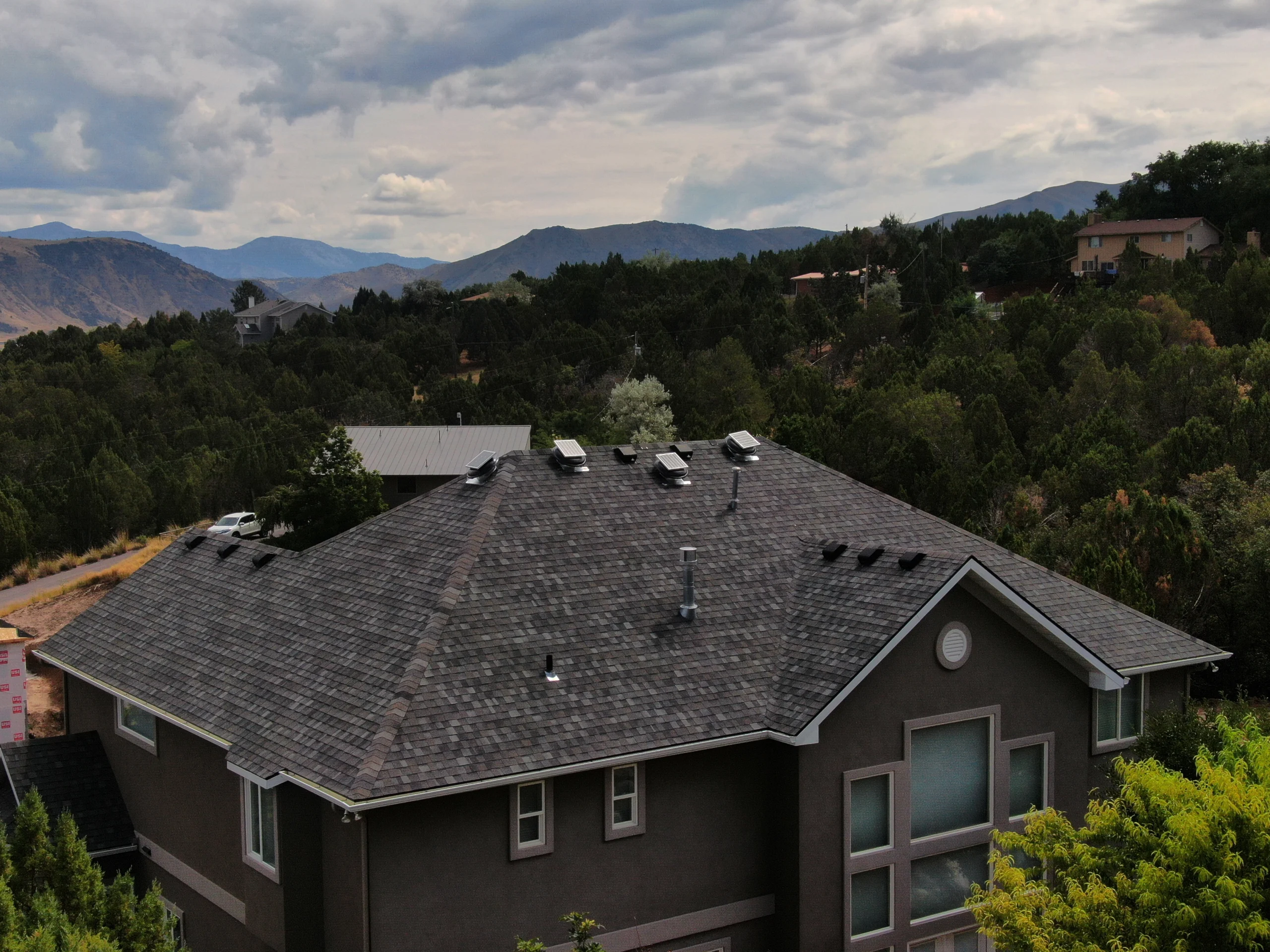
One of the most common questions homeowners ask is, “How long will my roof last?”
Your roof is one of the most important parts of your home. It protects your family, your belongings, and the structure of your house from weather and environmental damage. But like every part of a home, a roof won’t last forever.
Understanding how long different roofing materials typically last can help you plan ahead, budget for repairs, and avoid costly damage caused by an aging roof.
The lifespan of your roof largely depends on the type of materials used. Here’s a general overview of the most common roofing systems and how long they typically last.
Asphalt shingles are the most widely used roofing material in the United States.
Average lifespan:
20–30 years
There are two main types of asphalt shingles:
Architectural shingles are thicker and more durable, making them more resistant to wind, snow, and impact damage.
Metal roofing has become increasingly popular due to its durability and energy efficiency.
Average lifespan:
40–70 years
Metal roofs can withstand extreme weather conditions, including heavy snow and strong winds. They also require minimal maintenance and can reflect heat, helping improve your home’s energy efficiency.
Tile roofs, often made from clay or concrete, are known for their longevity and distinctive appearance.
Average lifespan:
50–100 years
While tile roofs can last for decades, the underlayment beneath the tiles may need replacement earlier.
Wood shake roofs provide a natural, rustic appearance and solid insulation.
Average lifespan:
25–40 years
Proper maintenance is essential for wood shake roofs because they are more susceptible to moisture damage and rot if not properly cared for.
Even with high-quality materials, several factors can influence how long your roof lasts.
Homes in areas with heavy snow, high winds, or frequent storms may experience faster roof wear. Temperature fluctuations and freeze-thaw cycles can also affect roofing materials over time.
A roof installed incorrectly may fail years earlier than expected. Proper ventilation, flashing, and sealing are critical to ensuring your roof performs well long-term.
Poor attic ventilation can trap heat and moisture, causing shingles to deteriorate faster and potentially leading to mold or structural damage.
Regular inspections and maintenance can significantly extend the life of your roof. Addressing small issues early helps prevent larger problems down the road.
Even if your roof hasn’t reached its expected lifespan, it may still need attention if you notice warning signs such as:
If you notice any of these issues, it’s important to schedule a professional inspection as soon as possible.
Homeowners can take several steps to help maximize the lifespan of their roofing system:
Preventative maintenance can help your roof last closer to — or even beyond — its expected lifespan.
If you’re unsure about the condition of your roof, a professional inspection can provide peace of mind. Roofing experts can identify early signs of damage, recommend repairs, and help you determine whether a replacement may be needed in the future.
At CCX Roofing, our experienced team provides thorough roof inspections, repairs, and replacements designed to protect your home for years to come.
Contact CCX Roofing today to schedule a roof inspection and make sure your home stays protected in every season.